The Therapies We Use Alongside an Adjustment, Explained
An adjustment is often just one piece of the visit. Here's what the supporting therapies are for.
September 21, 2026 · 4 min read
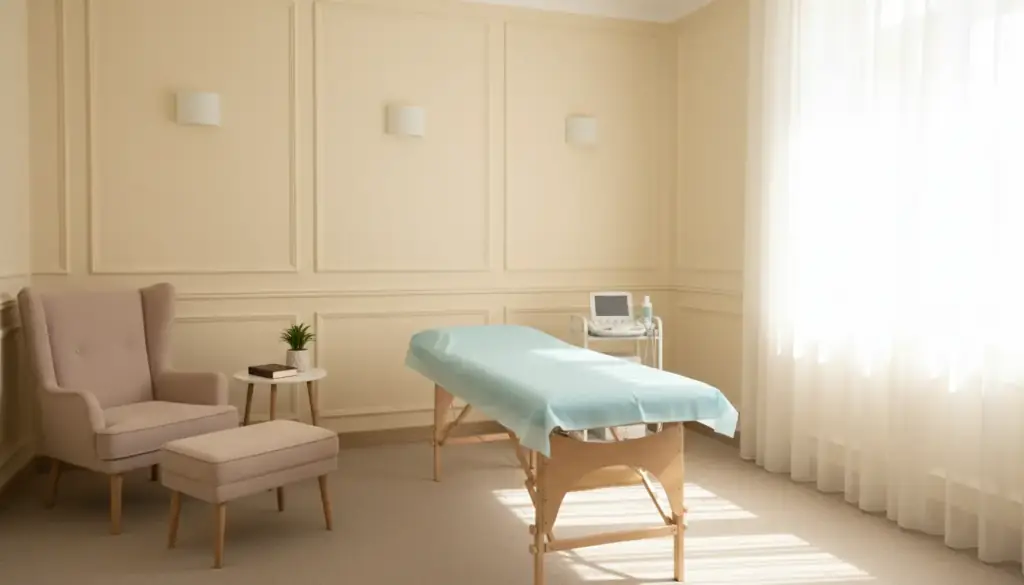
When people think of a chiropractic visit, they usually picture the adjustment itself. But depending on what's going on with you, one of our doctors might also bring in a supporting therapy, either before or after the adjustment. None of these replace the adjustment, they work alongside it. Here's a plain-language rundown of what each one actually does.
Ultrasound therapy
Ultrasound therapy is used to break up tightness in the muscle tissue. It helps decrease spasm and trigger points while bringing extra blood flow to the area being treated. It's a quiet, non-invasive part of a visit, and most patients barely notice it beyond a mild warmth.
Electric stimulation and manual electric stimulation
Electric stimulation uses small electric impulses to help the muscles contract in a natural way. That contraction can increase range of motion, reduce muscle spasm, improve blood flow to the area, and help prevent muscle wasting. We also offer a manual version of electric stimulation, which uses the same underlying mechanism but is delivered by hand rather than through a fixed pad setup, giving the doctor more control over exactly where the impulse goes.
Cupping therapy
Cupping uses localized suction around trigger points and tight musculature. It's used for decreasing muscle spasm, decreasing inflammation, and increasing circulation to the area. It looks a little unusual if you've never seen it before, but it's a gentle, controlled therapy, not anything invasive.
Mechanical axial traction
Mechanical axial traction is designed to stretch and gap the joints of the low back. It uses forces in flexion, distracting the joints above and below the tighter areas. This therapy can help reduce muscle spasm and support the area around a disc issue. It's one of the more involved therapies we offer, and it's used selectively, not on every low back visit.
- Ultrasound: loosens tight muscle tissue and improves local blood flow
- Electric stimulation (and manual electric stimulation): helps muscles contract naturally, supports range of motion
- Cupping: localized suction to reduce spasm, inflammation, and improve circulation
- Mechanical axial traction: stretches and gaps the low back joints to reduce spasm
What else happens in the room
It's easy to think of a chiropractic visit as a single event, in and out in a few minutes. In practice, a visit here is often built out of a few pieces working together. Dr. Mahle, Dr. Bowser, and Dr. Argiro each decide what a given visit calls for, and a therapy layered in alongside manual or instrument style adjusting is common, not the exception. None of these therapies are meant to stand alone. They're built to complement the joint work the adjustment itself is doing.
This is also part of why our home care guidance connects back to what happens in the office. We generally recommend icing, heating, and stretching between visits to reduce the risk of strains and sprains, and we'll walk you through personalized techniques based on your own activities rather than handing you a generic sheet. What you do at home in the days after a therapy session can matter as much as the session itself.
Newer to the therapy lineup
Cupping in particular tends to surprise first-time patients, since it isn't something most people associate with a chiropractor's office. It's a quick, controlled part of a visit, and it sits alongside the more familiar options like ultrasound and electric stimulation as one more tool for addressing tight musculature and trigger points. If you've seen cupping marks on an athlete on television and wondered what it actually does, now you know it's part of what we offer here too.
Mechanical axial traction tends to come up less often than the others simply because it's built for a more specific situation, the low back joints and the areas above and below them. It's a good example of why we don't run every patient through the same lineup. Our doctors reach for it when the low back is the actual focus of the visit, not as a routine add-on for every appointment.
If you're wondering what a typical visit looks like once a therapy is added in, it's usually straightforward. You'll already be at the office for your adjustment, and a therapy like ultrasound or electric stimulation gets worked into the same appointment rather than requiring a separate trip. Our front desk staff can also answer questions about timing if you're trying to plan around a work schedule or school pickup.
Which of these, if any, comes up in your visit depends entirely on what our doctors find when they see you, not a set package applied to everyone who walks in. If you're curious whether a particular therapy might fit what you're dealing with, the best way to find out is to come in and let us take a look. We're at 101 Decker Dr in New Castle, and you can reach us at (724) 656-9050.
Mahle Chiropractic, (724) 656-9050
Call (724) 656-9050More articles
Manual or Instrument: The Two Ways We Adjust in New Castle
Two different approaches to the same goal: getting motion back into a joint that has lost it.
What Actually Happens on Your First Visit to Mahle Chiropractic
From the front desk to your first adjustment, here's what a new patient can expect.